By realmnova
According to Ampere Analysis, the latest report, Game Integration: The Future of Multiplatforms and Multimedia, two thirds of the hosts and PC game players play with mobile devices. This data covers the markets of the eight Western countries (French, German, Italian, Dutch, Western, Swedish, English, United States) and covers the 16-64 age group of players.

The report indicates that Western players use, on average, three types of devices: 62 per cent of host players use both smartphones, 31 per cent use PCs and 26 per cent use tablets. In the PC, 66 per cent of all play with smartphones, 50 per cent with the host and 31 per cent with tablets.
With regard to the 3A level IP port mobile end, the Amber analysis emphasizes that a mature IP alone is not sufficient to ensure success. The report highlights the poor business performance of Biochemical Crisis 4, Biochemical Crisis 8: Villages, Death Landing, and Assassin Letters: Vision IOS. According to Appmagic data, none of these works have exceeded the total lifetime income of App Store in millions of dollars.
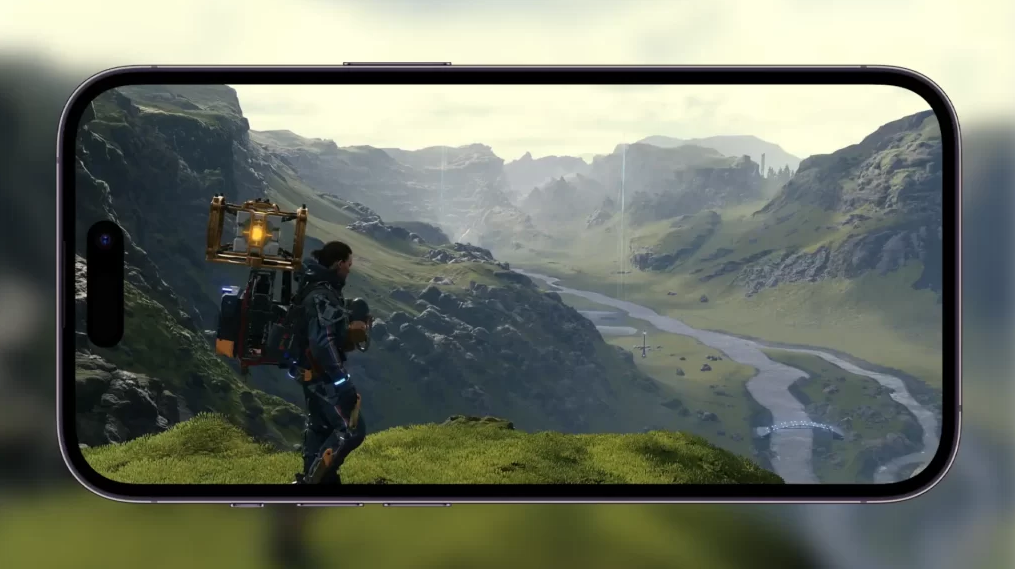
These transplant games, although backed by well-known IPs, fail to attract mobile players because of high pricing (approximately $30-60 dollars), high hardware requirements (requiring A17 Pro chips) and inadequate optimization. Reddit Forumr/MobileGaming users criticized: “The bio-chemical crisis 4 and the death-grounding game iOS is complicated and the image is shrinking, much less than the original experience.”
This phenomenon stands in stark contrast to the success of progeny travel, with Mandamus generating $1.96 billion, Darkness Destroyer: Inheritance, $59.2 million, and the whole platform’s bursting of the Oracle, $4.6 billion. Ampere notes that native mobile games have been successful in attracting a wide range of players through free downloading, micro-trading and optimization of tasting operations, and that the traditional payment patterns for transplanted games are inconsistent with mobile market habits.