 By realmnova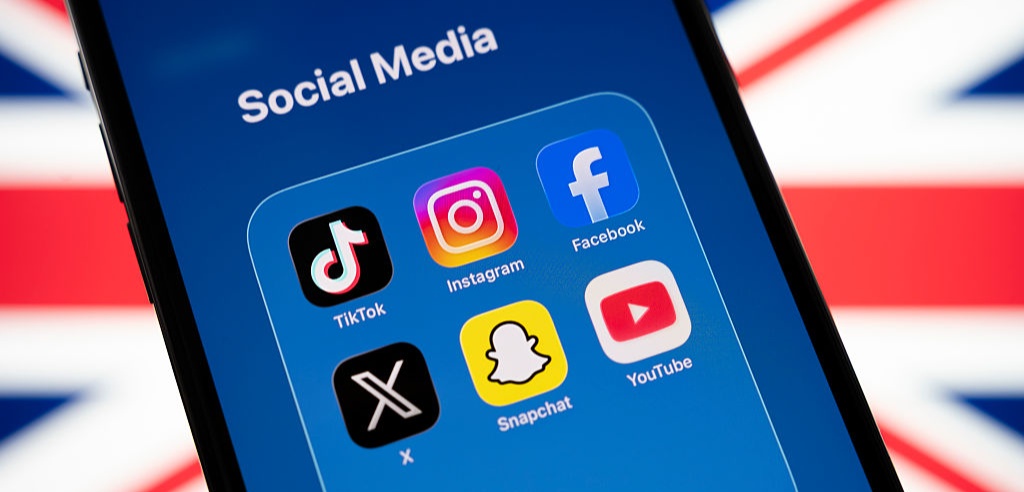
According to The Guardian, the British Government will prohibit the use of mainstream social media applications such as TikTok, Instagram and X for young people under 16 years of age, and will face new restrictions on online products not covered by the ban (e.g. game applications), such as removing the ability to talk to strangers. Young people under the age of 18 will also be restricted from “brushing their cell phones” at night.
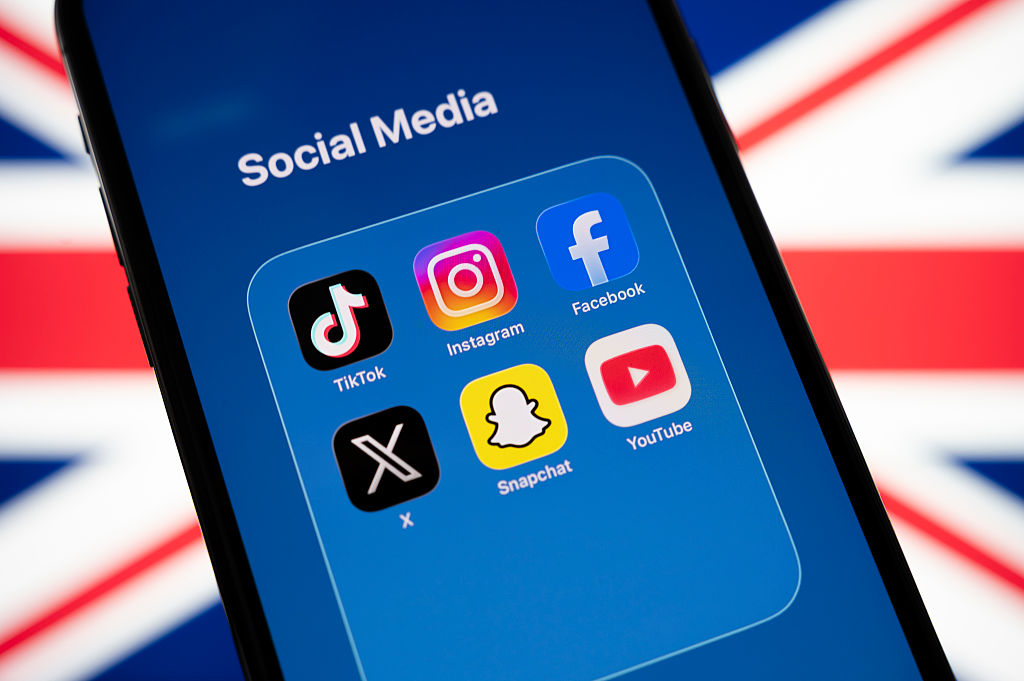
Australia became the first country in the world to impose a national social media ban on children under 16 in December 2025. Children are prohibited from using TikTok, YouTube, Instagram, Reddit, Facebook, X, Threads, Snapchat, Twitch and Kick’s 10 main social platforms.
Under pressure for months, British Prime Minister Kiir Stammer announced the ban on Monday. He said: “How to ensure the safety of children on the Internet is one of the issues of greatest concern at this time. The people rightly expect action from the Government, which will always support parents and put children first. That is why we will put an end to this system of failing our children and take bold action to give every child the best possible start in life.”
According to the source, the protection of young people from harmful addictive content and the avoidance of contact with strangers are the main drivers of coercive measures. Young people under the age of 18 will also be barred from accessing romantic or pornographic AI chat robots. “There is no compromise here”, one source said.

On Sunday, the British Government indicated that nearly 90 per cent of the feedback received from its Growing in the Net World counselling supported setting the minimum age for access to applications at 16. Eighty-eight per cent indicated that limiting high-risk functions would reduce children ‘ s exposure to inappropriate or harmful content. Nearly two thirds of the adolescents interviewed indicated that limiting high-risk functions would make their Internet access safer.
In addition to a total ban on social media, Stammer expects to announce restrictions on certain features of online products, which may include game platforms and news applications such as WhatsApp, which may not be part of social media applications. Limited functionality may include burning and location sharing after reading. Stammer announced last week a new restriction on sending naked photographs.
“One-size-fits-all restrictions on functionality will stifle access to age-appropriate experience under appropriate parental control, thus prompting children to seek more dangerous and unregulated alternatives.”
Industry sources have indicated that the process of finalizing the ban appears to be hasty and sometimes contradictory, and there are speculations that the Government fears legal action for any procedural violation. The view was also expressed, however, that it was unlikely that the Platform would take immediate legal action against the hasty publication.

The Government still questions how to implement the age test. Face scanning, personal identification and bank information, most of which have been used by the British Communications Authority to implement the Cyber Security Act, may be used as a means of authentication.
If social media platforms such as Facebook and Instagram comply with the ban on young people under 16 years of age, they may be forced to collect user information, which some may consider to be an infringement of privacy, such as more extensive collection of government-issued identity documents. Thousands of young people in Australia have reportedly found ways to circumvent existing age limits for social media.