 By realmnova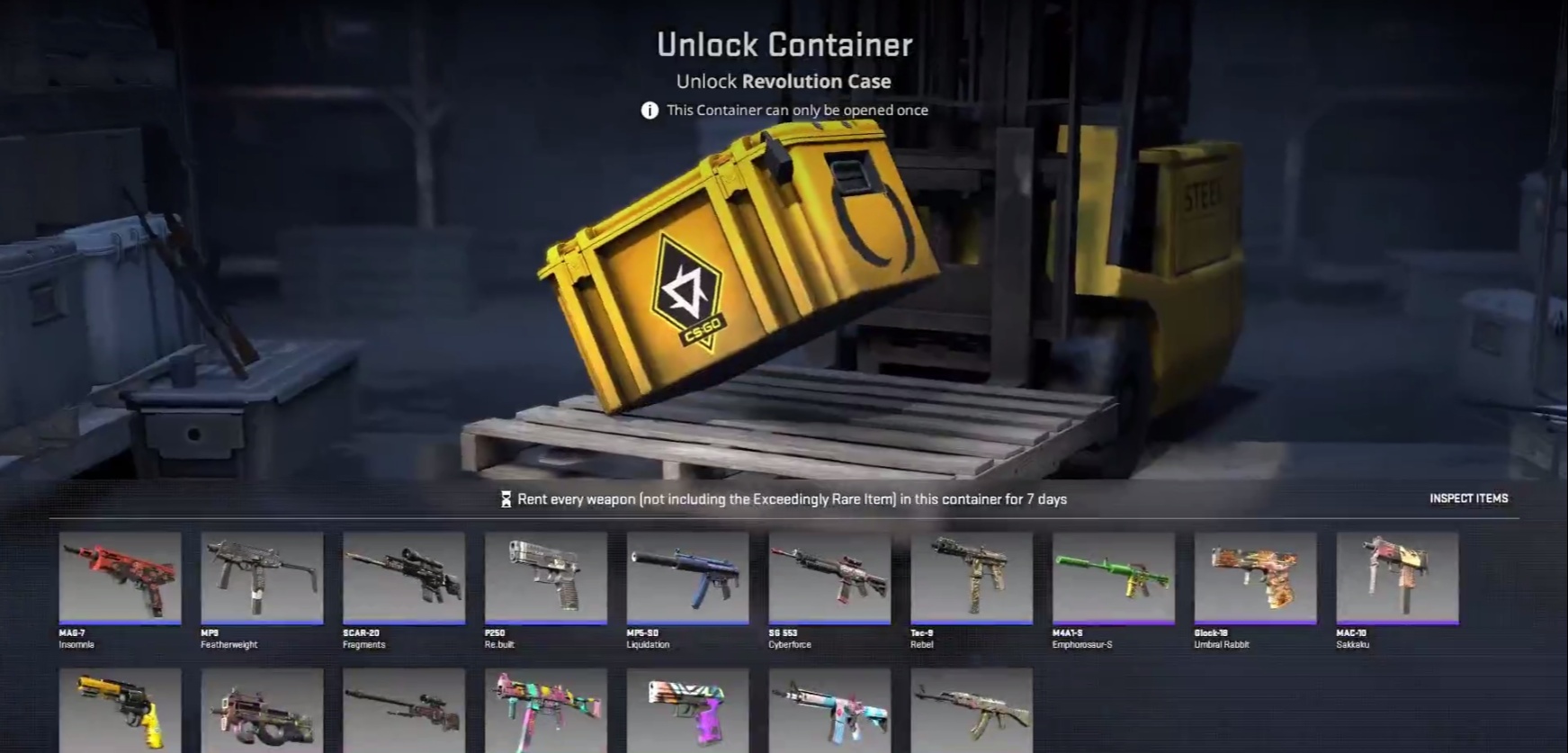
The President of Brazil has signed a new law prohibiting the sale of war booty boxes to players under the age of 18. This legislation will enter into force in March 2026 as part of a comprehensive digital protection programme designed to protect young people from exploitative Internet practices. Brazil, as one of the world ‘ s largest game markets, has been able to take its place directly at the centre of international debate around the trophy-box gaming mechanism.

Under the new regulations, games that do not indicate an 18+ age classification will be completely prohibited from containing trophies. If the game is directed or accessible to minors, the developer must remove the realization system. The law also requires that games with social functions such as text, language or video communications establish transparent reporting and accountability mechanisms to enable players to exercise more control in case of harassment or abuse. The United States Federal Trade Commission had previously ruled that the local issuer Cognosphere had misled minors with false probabilities and prohibited minors from buying trophies without parental permission. The British Government is also urging greater regulation of virtual skin games. The Brazilian initiative shows that international regulatory trends are accelerating.

With the introduction of legislation, Brazil will be one of the countries with the largest body mass in the direct response to the criticism of the War Profits Box to induce youth to impulsive consumption. Similar criticism appeared in Belgium several years ago, when the lottery commission ruled in 2018 that the trophy box violated gambling legislation, and the then Minister of Justice, Koen Gynes, had alleged that it constituted a “dangerous mix of games and gambling” that threatened the mental health of children. In-depth coverage by the BBC that year marked the first time that the West imposed significant restrictions on trophies. The Brazilian ban has gone through a gradual but cautious process. The national debate was expanded as early as 2021 with the launch of the survey, which was a reflection of the current regulatory dilemma in Europe. In 2022, several political parties in the Netherlands supported a ban that characterized the trophy box as “a gambling form for manipulating the consumption of children”; however, the court later reversed the enforcement measures against the EA company FIFA card bag, which left the situation deadlocked. According to Reuters, the Spanish Government is also exploring regulatory action to curb forced consumption associated with the purchase of random games.
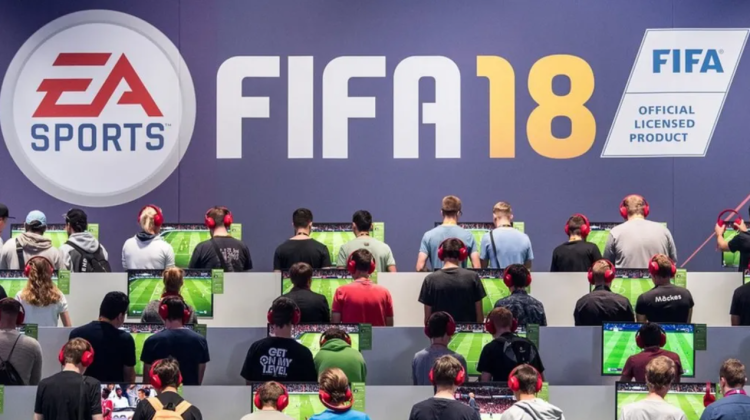
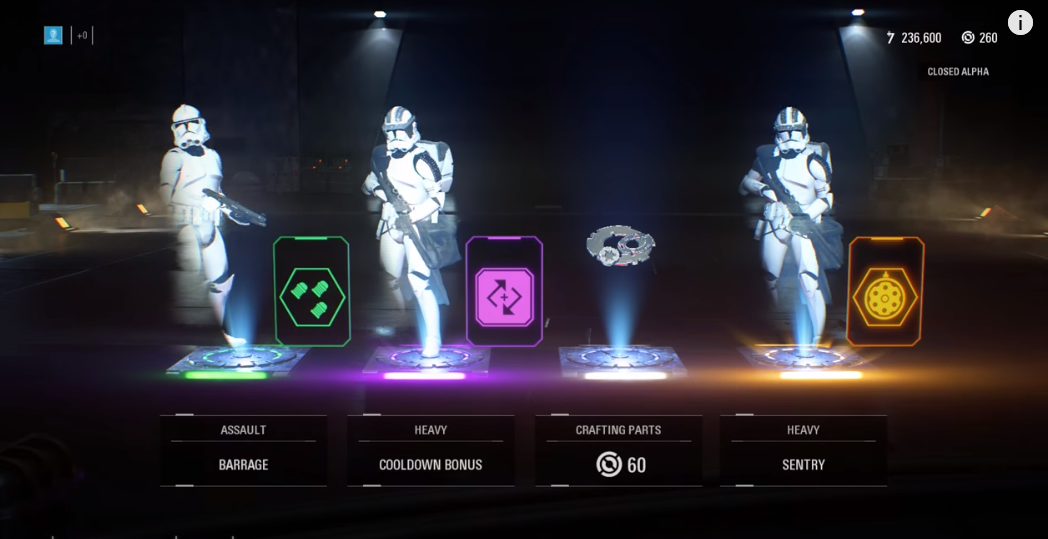
Given the importance of Brazil ‘ s position in the global game market, this decision could trigger an industry chain reaction. The key is whether law enforcement can be strictly closed — Belgium’s ban, although it was officially enacted in 2018, has remained uneven in subsequent years, with most games unsubstantively adjusted, calling into question its effectiveness. For Brazil, the age classification criteria and the clarity of law enforcement will determine whether the new rules are really protecting minors or simply pushing them to the grey market. Another serious problem is that players may circumvent prohibitions by modifying account information or using international markets. For distributors, the largest market-based compliance in Latin America means that the liquidity system needs to be re-engineered: either the random box mechanism is completely removed, or adult-level games are strictly restricted, which may conflict with existing profit-making strategies. Discussions on the trophies have continued to rise since 2017, when the microtrade system of the EA Star Wars: Front Line 2 triggered a tsunami in public opinion. The community boycott eventually led to the removal of the internal purchasing function and triggered a global discussion of the main game gambling elements. Since then, while only a few Governments have taken specific legal action, the eyes of large distributors are increasingly being reviewed.
With new legislation, Brazil has joined Belgium in establishing mechanisms for the direct protection of minors, even ahead of the Netherlands and Spain. In the coming years, the path will be tested as a model for others or as another symbolic initiative stuck in implementation. At the very least, Brazil has issued a clear declaration that in this globally active game market, the trophy box can no longer coexist with children.