 By realmnova
In his blog video, Chris Wilson, co-founder of the Road to Exile and Greening Gear studio, now head of the independent studio Light Patterson, analyzed the challenges of building and maintaining the economic system of the large online RPG game. He stressed that the integrity of the game was paramount and that any compromise for short-term benefits would compromise the game ‘ s life.

Chris Wilson has devoted a great deal of time to the concept of “economic integrity”, which is defined as “the ability of a player to obtain progress and goods in a fair environment through game behaviour, free from external influence or deception, and without being able to advance through undue means”. He was particularly concerned about the current fashionable season model — the fact that each and every update of player-to-playing, sprinting, etc. essentially created micro-economics, which also needed protection mechanisms. He suggested that the development of online role-playing games preserve this integrity through a sense of progress of “ meaning and certainty”. As it says: “Procedure and prestige should be won through game skills, not through purchase, scripts, loopholes or part of social engineering services.” Protection measures can be reflected in policies such as the prohibition of unfair advantages for fee-paying anchors, and more in the system of tools to combat cheating, real currency transactions and, if necessary, even to preserve the economic system through data roll back. If it was necessary to take drastic measures, such as rollbacks, he suggested replacing procrastination with compensation that did not affect the economic system, such as “play-looking coins”. For an exception report submitted by a player, the customer service team needs to have the capacity to screen for malicious reports. He stressed that the fight against cheating was an ongoing arms ban, but that the developers must arm themselves.
In the case of cheaters, Wilson advocates the treatment of near-cocal soil policy: not only ban violators, but also clear their accounts and illegally acquired items. “even if you believe that certain accounts have been permanently blocked, it is worth taking time to clean up completely”. In his view, the stability and reliability of the economic system — the scale by which players measure the health of their own inputs and games — has absolute priority. Monetization can also threaten economic integrity (a gamer speculates that this is a problem with the economic system of Route 2, but Chris Wilson does not show opposition or refer specifically to any developer). He acknowledged that the “pay-and-pay” model was profitable in the short term, but warned that it would undermine the integrity of the game, apparently placing more emphasis on the trust and long-term life of the player than on the flow of the shop.
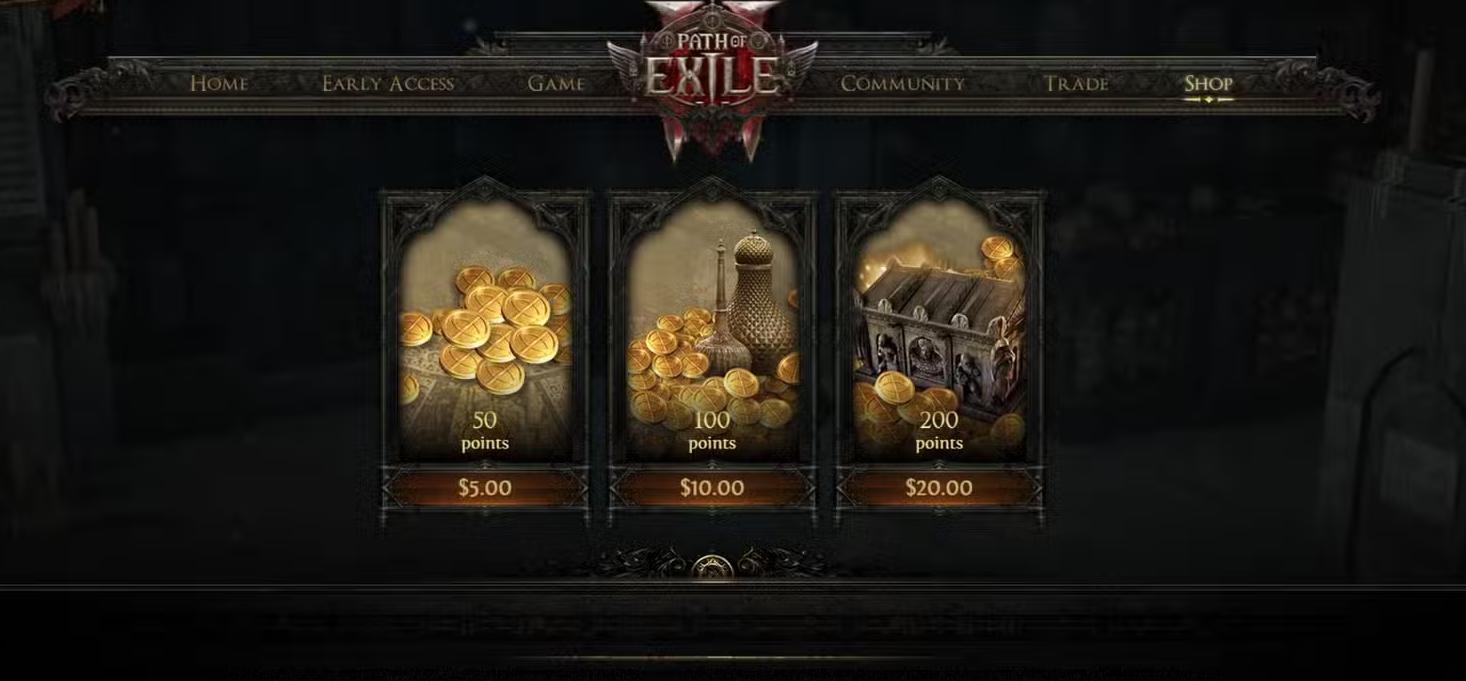
Payment advantages include the direct purchase of proxies of experience, pay-for-first experience, etc. Chris Wilson shares this: some time about four years ago, when the release of the release version of the Road to Exile, the crash of the landing line resulted in the “hundreds of thousands of players” (including the anchors of many official pay invitations) trapped in the login interface. He decided to get the anchor team to move forward, and then he realized the error. “I didn’t think it would give the anchor an economic advantage over real-life privileges, and it would be unfair to other players.” He said, “We’re being criticized for it, and I realized it right away.” This case has accurately revealed that even seemingly harmless favours may erode the game economy, and small concessions accumulate into serious problems like white lies.” This valuable course has taught me that even an hour of predominance to give to those who have not won it through game behaviour is an inexcusable major injustice. “Wilson concludes.