By realmnova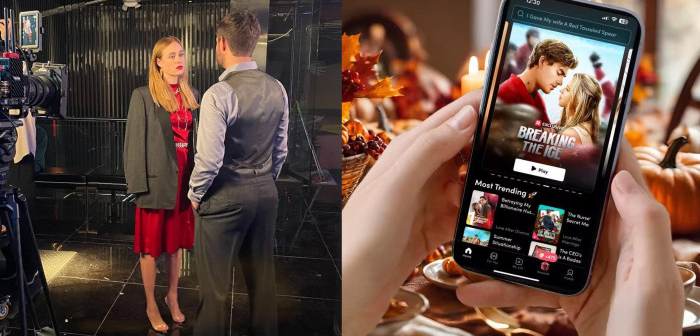
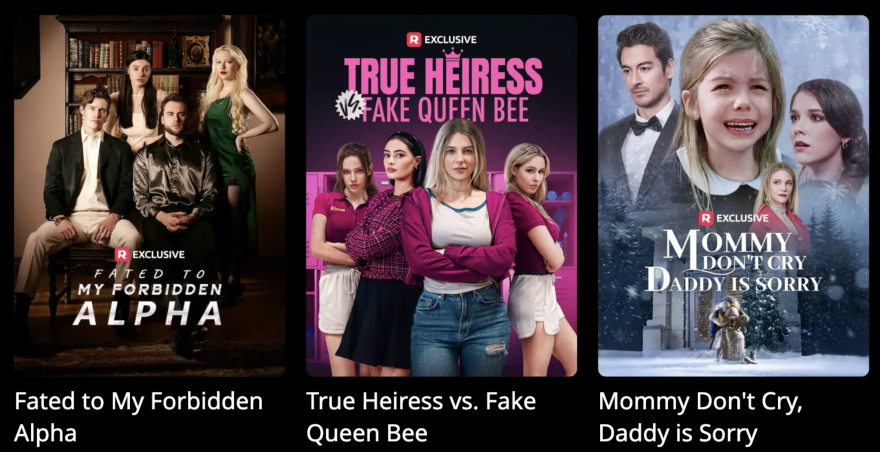
Fluent media applications Quibi ended up on the line in just half a year in 2020, and the main player on the platform is a mobile phone short video for up to 10 minutes. Today, the Hollywood company MicroCo has begun to restart the model. China is now at the forefront of the world in the field of micro-short dramas, with thousands of works and hundreds of millions of viewers. But the question is, can this model work in Hollywood?
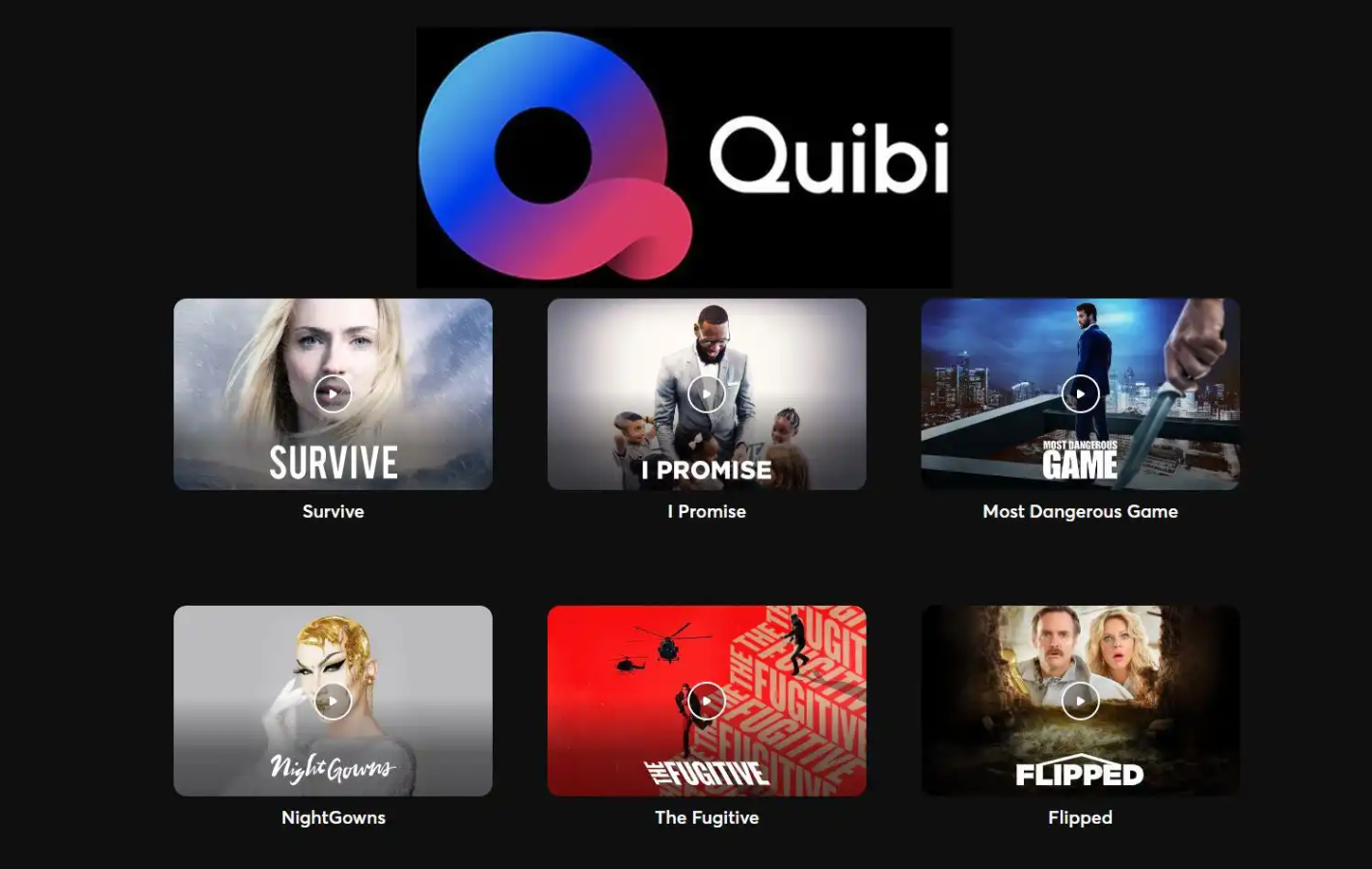
According to The New York Times, Quibi was originally intended to provide “discretion entertainment”, for example when queuing supermarkets or waiting at airports. However, it misjudged the demand of the market and tried to cut high-end content into small pieces, eventually burning billions of dollars and retreating. Quibi is funded by Goldman Sachs, Google, Ali Baba and Jeffrey Kasenberg, former CEO of Dream Factory Animation.
“In retrospect, this was considered to be a good idea, but at the wrong time, when the audience was not ready to accept the model and the high cost of too sophisticated production became its burden.” According to The New York Times, Hollywood journalist Brooks Barnes. According to analysts, by 2027, the market for micro-shorts from China and abroad will have reached $10 billion.
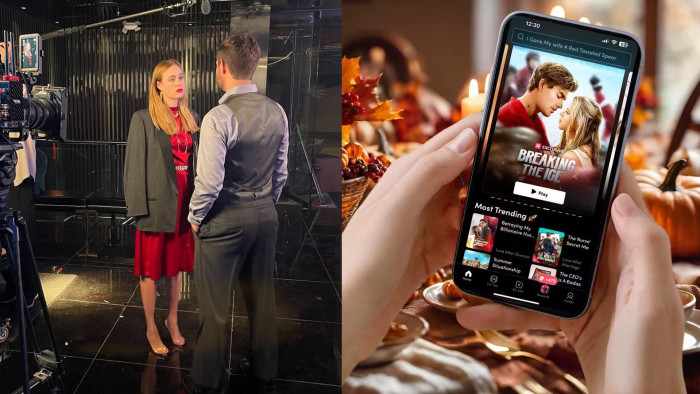
MicroCo plans to launch its micro-short play application in the first quarter of 2026, using the model “Prevalent viewing in the first 3-4 series and subsequent purchase of a break-off lock”. Barnes reported that MicroCo believed that with quality enhancement and Hollywood professional experience, it could gain an audience advantage. It is worth noting, however, that the micro-short drama platform must carefully cap quality, “it is interesting to note that, given the real chain of contempt in Hollywood, they will have to endure the look of the Hollywood elite and be challenged by the question of what you are making?”.
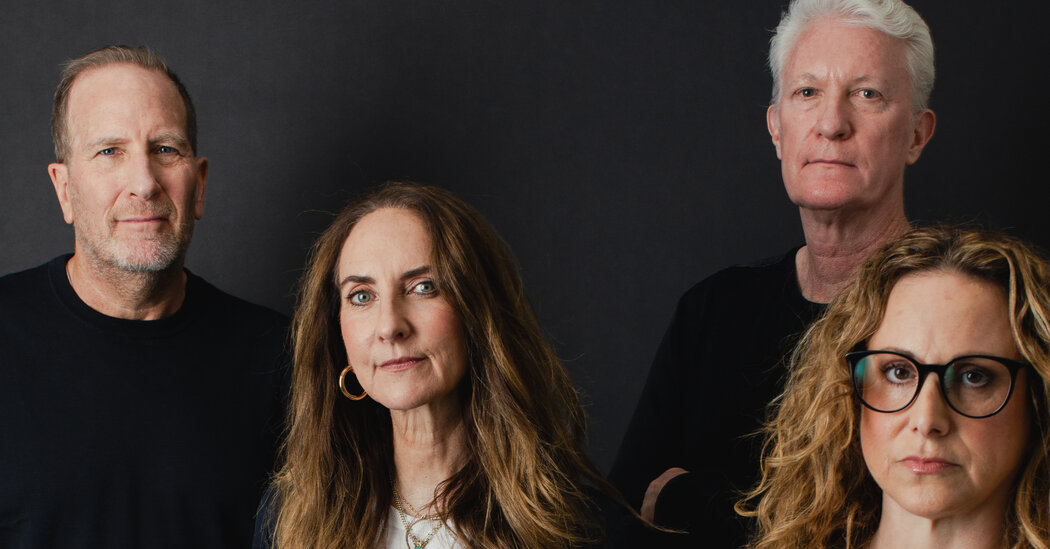
MicroCo was led by Lloyd Braun, former director of the ABC Entertainment in the Age of Lost Housewives in Desperate, Jana Wenograd, former President of Showtime, as CEO, and Susan Robna, former NBC Global Director, as Chief Creative Officer.
Artificial intelligence technology will be at the heart of MicroCo’s strategy, and Barnes explains: “Quibi’s single collection (3-8 minutes) spent millions of dollars on production, while BáMicroCo could achieve an equivalent budget of 30 sets of content through tools such as AI-generated images and scripts.” While emphasizing that artificial creators remain at the core, the company states that “not only is there a large number of pre-working creators willing to participate in this form of content at this time, but the micro-short play market has also been validated — not only in Asia, but millions of United States dollars of users actively consume such content by downloading relevant applications”.
Despite the fact that MicroCo tried to break a combination of “Hollywood quality+AI drops”, its success or failure is still related to three key elements: the accuracy of the psychological expectations of mobile end-user fragmentation consumption, the removal of the burden of Quibi’s “over-precision” and overcoming the bias within Hollywood against short play content.