 By realmnova
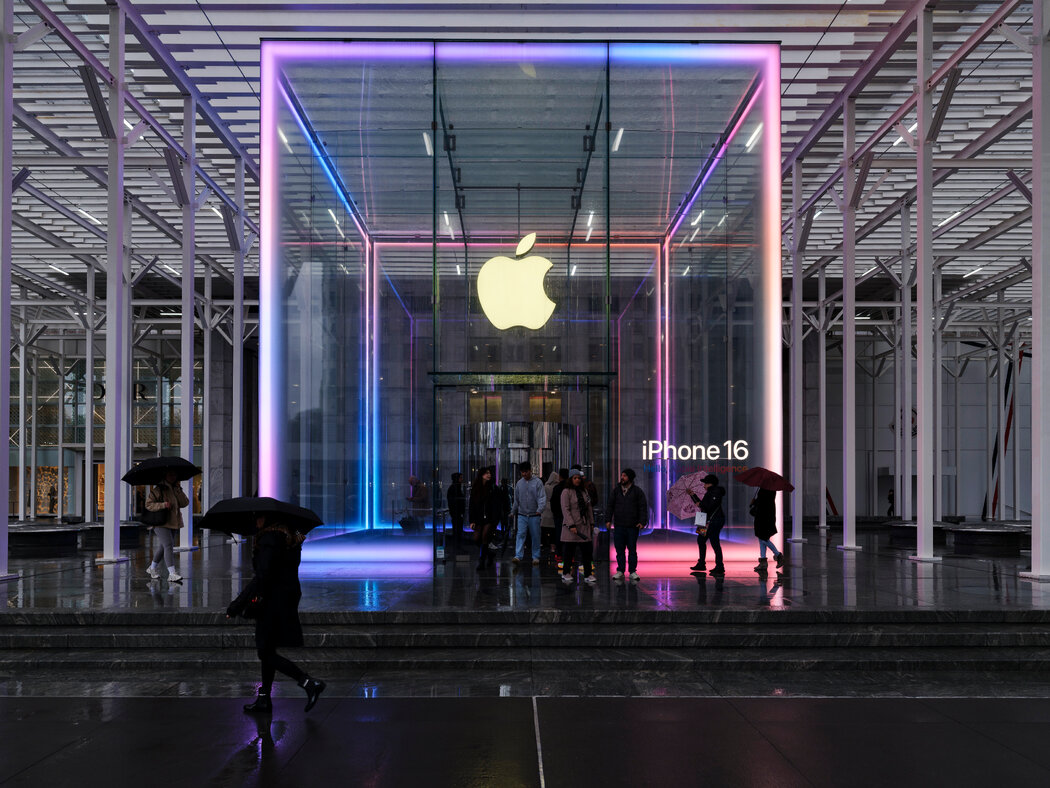
Investors fear that apples are slow in integrating artificial intelligence into products.
Over the past week, the technology industry has for the most part shown how artificial intelligence boosts sales. The situation is different for Apple.
The iPhone manufacturer has been slow to release artificial intelligence products. On Thursday, the company announced an increase of 9.6 per cent over the previous quarter, to $94.04 billion, thanks to sales from traditional businesses such as iPad, Mac and AppStore. These classic products contributed to a 9 per cent increase in profits over the same period, to $23.43 billion, more than the company ‘ s record for the same period in 2021.
Apples benefited from the acquisition of iPhone and Mac by United States consumers ahead of tariff increases. This contributed to an increase in iPhone sales of over 13 per cent to $44.58 billion in the last quarter. It also reported a double-digit increase in Mac ‘ s sales.
In a telephone conference with analysts, Apple CEO Tim Cook stated that 1 percentage point of the 10 per cent increase in sales during the quarter was attributable to consumers who purchased products earlier than usual. According to Apple, a 4 to 9 per cent increase in the quarterly collection is expected.
This performance is well ahead of expectations. Wall Street analysts had previously projected sales of $8,934 million for the quarter, with a profit of $21,430 million. The company ‘ s stock exchange rose by more than 3 per cent.
Apples have long led the stock market, but this year they are backward. Investors are disappointed that they have failed to introduce attractive artificial intelligence products, are concerned that their smart phones produced abroad may face tariffs and that global antimonopoly actions may affect their sales. Despite the 9.5 per cent increase in the NASDAQ index, which is dominated by technology, the price of apples has fallen by 15 per cent this year.
“It is believed that apples missed the opportunity in this artificially intelligent revolution”, Mike Fraser, Chairman of the Board of Directors of the Bedel Fraser Investment Consulting Company, which holds the shares of apples, said, “they must demonstrate their willingness to invest and have a clear and innovative strategy in this regard”.
Apples usually make a move for a new iPhone in the summer for the fall. In June this year, however, the company’s campaign for new software aesthetics was overshadowed by senior executives’ apologies in their media interviews – because the company failed to launch an upgrade with a virtual assistant with a generating artificial intelligence. They stated that the version did not meet the quality standards of the company and needed to be improved.
Cook stated that apples had made “good progress” in the “more personalized Siri” product, which was expected to be launched next year. He added that the company was significantly increasing its investment in artificial intelligence and was allocating more staff to related work.
“We are doing our best to move this forward”, he said, “We have an exciting plan for the future.”
President Trump’s trade policy has exacerbated the problem of apple products. Apple indicated that the 30 per cent tariff imposed by the United States on Chinese imports had increased costs by $800 million this quarter. The company expects to increase its costs to $1.1 billion this quarter.
Although iPhone of apples is still mainly manufactured in China, more efforts have been made to transfer production to India. According to the market research company Canallys, the proportion of iPhone exported from India to the United States increased in the last quarter from 13 per cent to 44 per cent.
The transfer of apples to India had upset Trump, and he hoped that iPhone would be made in the United States. In May this year, one month after granting a partial tariff grace to apples, he threatened to impose a 25 per cent tariff on all smart phones produced abroad.
Apples also face challenges in the Chinese market. China’s local companies, such as Huacheng and Mi, continue to encroach on the share of apples in the world’s largest smartphone market, and the Chinese government is addressing the problem of weak consumer spending. On Monday, Apple indicated that for the first time since the start of retail operations in China in 2008, a Chinese shop would be closed.
According to Apple, sales in China increased by 4.4 per cent in the last quarter to $15.37 billion. This is the first increase since six quarters, but still below the sales record for the same period in 2023.
Apple services, including App Store, Apple Pay and Apple Music, continued to grow. It states that this portion of the sales grew by 13.3 per cent to $27.42 billion.
But apple service could lose a source of income… – Google pays $20 billion a year to become the default search engine for the iPhone web browser. A federal judge found last year that Google had violated the law in order to maintain a monopoly on search. The judge is considering limiting the payment of apples to address Google violations. The decision is expected in August.